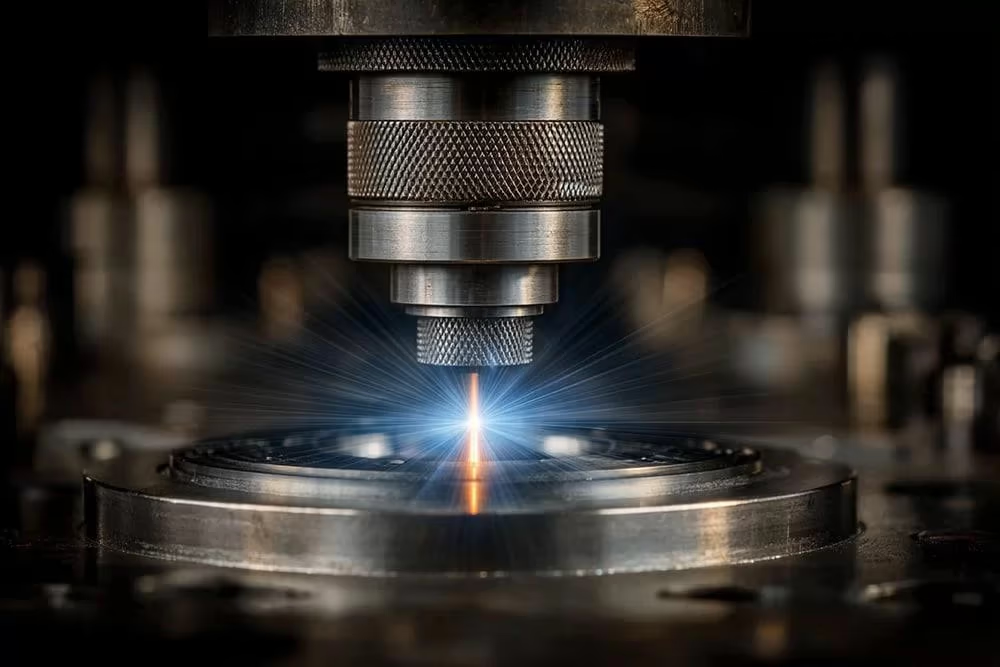
Laser welding has developed into one of the most modern and efficient welding techniques in recent years. Compared to traditional processes such as MIG, TIG, or WIG, it offers numerous advantages that are indispensable in demanding industries.
Minimal heat input – maximum precision
While traditional welding methods are often characterized by high heat input and material distortion, laser welding delivers the highest precision with minimal thermal stress. This enables the processing of even the most delicate components and significantly reduces post-processing requirements.
The concentrated energy of the laser beam creates a very narrow heat zone. The component remains virtually cool: no distortion, no discoloration, no expensive rework.
Wide range of materials
Another key advantage: laser systems can process the most varied materials. Steel, stainless steel, aluminum, titanium, and special alloys; even joining different materials is possible. This enormously expands the range of applications and makes laser welding a flexible solution for complex manufacturing tasks.
Typical applications
Classic application areas include:
- Medical technology: Implants, instruments, and housings where clean seams and biocompatibility are critical
- Precision mechanics and electronics: Miniature parts that would be virtually impossible to weld with conventional technology
- Jewelry industry: Repairs and joints on precious metals without discoloration
- Tool and mold making: Repair welding on expensive tools, corrected to the millimeter with the laser
Conclusion: laser as the first choice
Fast processing times, clean seams, and high process reliability make laser welding the first choice in many industries. Where TIG or MIG were previously used, the laser today delivers better results at often lower overall costs, thanks to less scrap and shorter post-processing times.
OR Laserservice GmbH offers both equipment for all applications and professional laser welding services at our facility. Get in touch.